
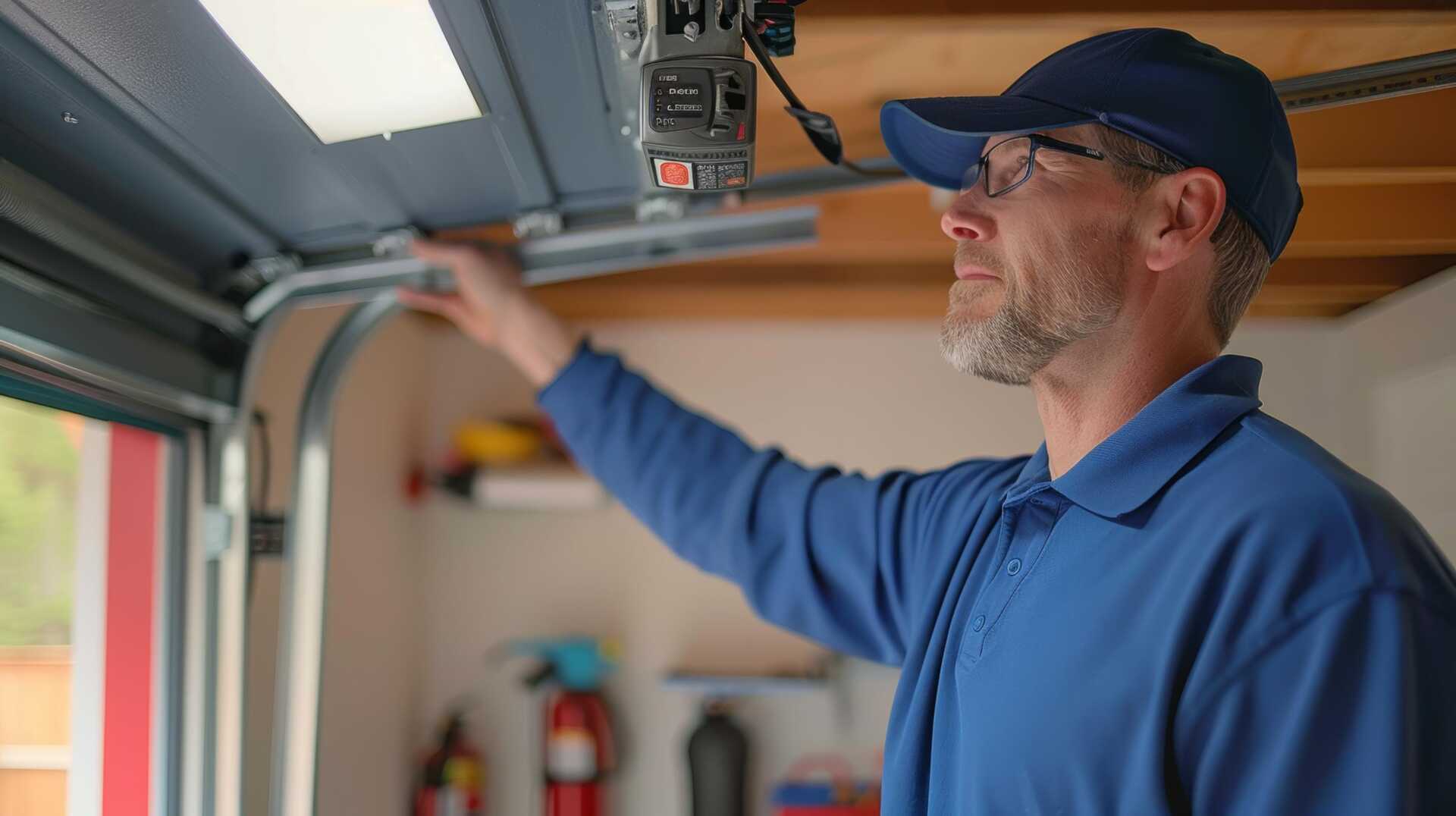
An overhead door may open and close hundreds or thousands of times over its working life. Every cycle places movement and tension on components such as springs, cables, rollers, hinges, tracks, and the opener system. Because many of these parts work together, a small problem can eventually affect the way the entire door operates.
Regular maintenance can help identify wear before it develops into a more disruptive problem. It can also help keep the door moving smoothly, reduce unnecessary strain on components, and provide an opportunity to check important safety features.
Many property owners only think about maintenance after a door stops working. However, unusual sounds, slower movement, uneven operation, or visible wear can appear before a complete failure occurs.
J’s Overhead Door LLC provides overhead door maintenance for commercial and industrial properties, along with installation, repair, replacement, and opener services.
Here are seven signs that your overhead door may need a professional maintenance inspection.
1. The Door Makes New or Unusual Noises
Overhead doors naturally make some noise during operation, but a noticeable change in sound can be worth investigating.
A door that previously operated quietly may begin producing grinding, squeaking, rattling, popping, or scraping sounds. Different noises can have different causes, including worn rollers, dry moving parts, loose hardware, track problems, or other component issues.
For example, a squeaking sound may come from components that need attention, while a grinding sound could indicate a problem with movement or alignment.
The important point is to notice changes rather than waiting until the door becomes completely inoperable.
If a commercial overhead door suddenly sounds different, stop and observe when the noise occurs. Does it happen while the door opens? Does it occur during closing? Does the sound come from one side or the entire system?
This information can help a technician identify where to investigate.
Maintenance can include inspecting moving components, checking hardware, examining the tracks, and evaluating the overall operation of the door.
2. The Door Opens or Closes More Slowly
Changes in operating speed can be another indication that an overhead door needs attention.
A door that takes noticeably longer to open or close may have increased friction, worn components, an opener issue, or another mechanical problem.
Slow operation should not automatically be treated as an opener problem. The door itself may be placing additional resistance on the system.
This is particularly important for commercial and industrial properties where doors may be used frequently throughout the day. A slower door can affect workflow, employee access, loading operations, and general building use.
During maintenance, the complete door system can be evaluated rather than focusing only on the motor or opener.
If the door is becoming progressively slower, an inspection can help determine whether the issue is related to the door’s mechanical components, tracks, springs, rollers, or opener system.
3. The Door Does Not Move Smoothly
A properly functioning overhead door should move through its operating cycle without obvious hesitation, jerking, or uneven movement.
If the door shakes, catches, hesitates, or appears to move differently on one side, there may be an alignment or component issue.
Uneven movement can place additional stress on parts that are designed to work together. If one component is not functioning correctly, other components may have to compensate.
Look for signs such as:
- Jerking during movement
- Sudden stops
- Uneven lifting
- Side-to-side movement
- Shaking while opening
- Difficulty reaching the fully open or closed position
These symptoms can have different causes, so they should not be diagnosed by simply looking at the door.
A professional inspection can help determine whether the issue involves the tracks, rollers, cables, springs, hinges, opener, or another part of the system.
4. Springs or Cables Show Visible Wear
Springs and cables are important components of many overhead door systems.
They help support and control the movement of the door, which means their condition matters for both operation and safety.
Visible signs of deterioration can include fraying cables, damaged components, corrosion, gaps or unusual changes in springs, or other obvious physical damage.
However, property owners should avoid attempting to adjust, remove, or repair springs and cables themselves.
These components can be under significant tension. Incorrect handling can cause serious injury or damage to the door system.
Instead, visible wear should be treated as a reason for professional evaluation.
During routine maintenance, a technician can inspect these components and identify problems that may not be obvious to someone without experience working with overhead doors.
5. The Door Becomes Difficult to Close Completely
An overhead door that does not close fully can create practical and security concerns.
The problem may involve the tracks, sensors, door alignment, opener settings, mechanical components, or another part of the system.
If the door stops a few inches above the floor, reverses unexpectedly, or leaves a noticeable gap, the issue should be investigated rather than repeatedly forcing the door to close.
For commercial properties, incomplete closure can also interfere with normal building operations. Depending on the type of property and door, it may affect access control, weather protection, security, or the separation between indoor and outdoor areas.
A maintenance inspection can identify whether the problem is mechanical, electrical, or related to the opener and safety system.
6. Hardware Looks Loose or Damaged
Overhead doors contain numerous hardware components that experience repeated movement.
Bolts, hinges, brackets, fasteners, rollers, and other parts can loosen or wear over time.
A quick visual inspection may reveal something unusual, such as:
- Loose hardware
- Bent tracks
- Damaged hinges
- Worn rollers
- Missing fasteners
- Corrosion
- Physical impact damage
Not every visible issue means the entire door needs replacement.
A damaged or worn component may be repairable or replaceable, depending on its condition and the overall state of the door.
The important thing is to identify these issues early. Continuing to operate a door with damaged or loose components can potentially place additional stress on other parts.
Routine maintenance gives property owners an opportunity to address smaller problems before they become more extensive.
7. Safety Features Need Attention
Overhead doors should not be evaluated only on whether they open and close.
Safety features are also an important part of routine inspection and maintenance.
Depending on the door system, safety components can include photoelectric sensors, automatic reversal functions, emergency release mechanisms, warning devices, and other protective features.
If a door behaves unexpectedly or a safety feature does not appear to work correctly, the system should be professionally evaluated.
Property owners should not bypass safety mechanisms simply to keep the door operating.
A door that continues moving while a safety feature is malfunctioning can create unnecessary risk for people, vehicles, equipment, and the surrounding property.
Regular maintenance provides an opportunity to check the operation of these features and identify problems that may otherwise go unnoticed.
What Does Overhead Door Maintenance Include?
Maintenance varies according to the door type, frequency of use, environment, and condition of the equipment.
A professional maintenance visit may include an inspection of major mechanical and operational components.
Common areas of attention can include:
Door Balance
The door’s balance affects how easily the system moves. An improperly balanced door can place additional strain on the opener and other components.
Springs and Cables
These components can be inspected for visible wear, damage, corrosion, or other issues.
Tracks and Rollers
Tracks guide the door during movement, while rollers help it travel through the system. Damage, wear, or alignment issues can affect smooth operation.
Hinges and Hardware
Repeated movement can contribute to loose or worn hardware. Inspection can identify components that need adjustment or replacement.
Opener System
The opener can be checked for proper operation and unusual behavior. Depending on the system, this may include examining controls, mounting points, drive components, and related features.
Safety Equipment
Safety devices and operating functions can be checked to help ensure the door responds appropriately during normal operation.
General Door Condition
The panels, frame, seals, and other visible components can also be examined for damage or deterioration.
The exact maintenance process depends on the door and its operating environment.
Why Commercial Overhead Doors Need Regular Attention
Commercial and industrial overhead doors can experience considerably more use than a typical residential garage door.
A door at a warehouse, loading area, service facility, or commercial property may operate repeatedly throughout a workday.
Higher usage means components experience more cycles over time.
Operational conditions can also affect wear. Dust, dirt, temperature changes, moisture, vehicle traffic, accidental impacts, and other environmental factors can influence the condition of a door system.
For businesses, maintenance is not only about keeping the door operational. It can also help identify developing issues before they interfere with normal operations.
A door that suddenly stops working can interrupt deliveries, restrict access, delay employees, or affect loading and unloading activities.
Preventive attention can help property managers understand the condition of the system and plan repairs when needed.
Maintenance vs. Repair: What Is the Difference?
Maintenance and repair serve different purposes.
Maintenance is generally preventive. It involves inspecting the door, identifying wear, checking components, and addressing smaller issues before they become major failures.
Repair addresses an existing problem. For example, a broken spring, damaged cable, malfunctioning opener, or damaged track may require repair or replacement.
The two can work together.
During routine maintenance, a technician may identify a worn component that does not yet prevent the door from operating. Addressing it at that stage may be more straightforward than waiting until the component fails completely.
However, maintenance cannot eliminate every future repair. Mechanical components still wear over time, and unexpected damage can occur.
How Often Should an Overhead Door Be Maintained?
There is no single maintenance interval that applies to every overhead door.
The appropriate schedule depends on factors such as:
- How frequently the door operates
- Whether the door is commercial or industrial
- Environmental conditions
- Door type
- Age of the system
- Previous repair history
- Manufacturer recommendations
- The consequences of unexpected downtime
A lightly used door may have different maintenance requirements from a loading-area door that operates dozens of times each day.
High-use commercial doors generally deserve particular attention because their components experience more operating cycles.
Following the manufacturer’s recommendations and having the system evaluated based on actual usage can help determine an appropriate maintenance schedule.
Simple Things Property Owners Can Watch For
Property owners and facility managers do not need to perform technical repairs to monitor an overhead door.
Simple observation can help identify when professional attention may be needed.
Pay attention to whether:
- The door sounds different than usual.
- Movement has become slower.
- The door shakes or jerks.
- The door stops before reaching the floor.
- The door does not remain properly positioned.
- Cables appear damaged.
- Hardware looks loose.
- Tracks appear bent or obstructed.
- The opener behaves differently.
- Safety features do not respond as expected.
These observations do not identify the exact cause, but they can indicate when an inspection is appropriate.
What Should You Avoid Doing Yourself?
Some overhead door maintenance tasks may appear simple but can involve significant risk.
Springs and cables are particularly important examples. These components can store substantial mechanical energy, and incorrect adjustment or removal can result in serious injury.
Property owners should also avoid bypassing safety sensors, forcing a malfunctioning door to operate, or continuing to use a system that has obvious structural or mechanical damage.
Basic visual observation is reasonable. Technical adjustments and repairs should be handled by professionals with the appropriate knowledge and equipment.
When Should an Overhead Door Be Replaced Instead?
Maintenance can extend the useful operation of a door, but it cannot correct every condition.
Replacement may need to be considered when a door has extensive damage, repeated failures, severe deterioration, or no longer meets the property’s operational requirements.
For example, a commercial property may outgrow an older door system because of increased traffic, changes in building use, or different operational requirements.
Replacement decisions should consider the condition of the existing door, repair history, expected future use, and the cost and practicality of continued repairs.
A professional evaluation can help distinguish between a maintenance issue, repair requirement, and replacement situation.
How Maintenance Can Support Longer-Term Planning
Maintenance records can provide useful information beyond individual service visits.
If a property manager documents repairs, recurring issues, replaced components, and inspection findings, patterns may become easier to identify.
For example, repeated repairs to the same component or increasing downtime may indicate that the system is approaching the point where a larger repair or replacement should be considered.
Good maintenance records can also help property owners plan budgets instead of responding only when an unexpected failure occurs.
This is particularly useful for commercial and industrial properties where overhead door downtime can affect daily operations.
Frequently Asked Questions
1. How often should an overhead door be inspected?
The appropriate frequency depends on the door’s type, usage, environment, age, and manufacturer recommendations. Frequently used commercial doors may require more regular attention than lightly used systems.
2. What are common signs an overhead door needs maintenance?
Unusual noises, slow movement, jerking, uneven operation, visible component wear, loose hardware, and problems closing completely can all indicate that professional maintenance may be needed.
3. Can I lubricate my overhead door myself?
Some systems may have components that require lubrication, but the correct products and locations depend on the door. Applying lubricant to the wrong components will not necessarily solve the problem and can sometimes attract dirt.
4. Are overhead door springs safe to repair myself?
Spring systems can be under significant tension and may cause serious injury if handled incorrectly. Spring inspection, adjustment, and repair should be performed by an appropriately qualified professional.
5. Does regular maintenance prevent every overhead door breakdown?
No maintenance program can guarantee that a mechanical system will never fail. Regular inspections can, however, help identify wear and developing issues before they become larger operational problems.
Conclusion
An overhead door’s condition can affect daily operations, safety, access, and the reliability of a commercial or industrial property. New noises, slower movement, uneven operation, visible wear, closing problems, damaged hardware, and safety concerns are all useful signs that the system deserves professional attention.
Regular inspections and maintenance can help property owners understand how their doors are performing and identify components that may need attention. The right maintenance schedule depends on the type of door, frequency of use, environment, and manufacturer recommendations.
When you need professional help keeping an overhead door operating smoothly and safely, J’s Overhead Door LLC can inspect your system and help determine the appropriate maintenance or service needed.