
At some point, almost every garage door owner reaches the same fork in the road. Another spring breaks, the panels are dented from one too many storms, or the door just doesn’t look or move the way it used to. The question that follows is always the same: is this worth fixing again, or is it finally time for a new door? That decision isn’t always obvious from the outside, and getting it wrong in either direction usually costs more in the long run.
This guide breaks down how to tell the difference between a repair situation and a replacement situation, what the replacement process actually involves, and what to expect once you’ve made the call. For a closer look at how this process is handled from start to finish, this complete garage door replacement service breaks down what’s involved, but here’s what every homeowner should understand first.
What Garage Door Replacement Actually Means
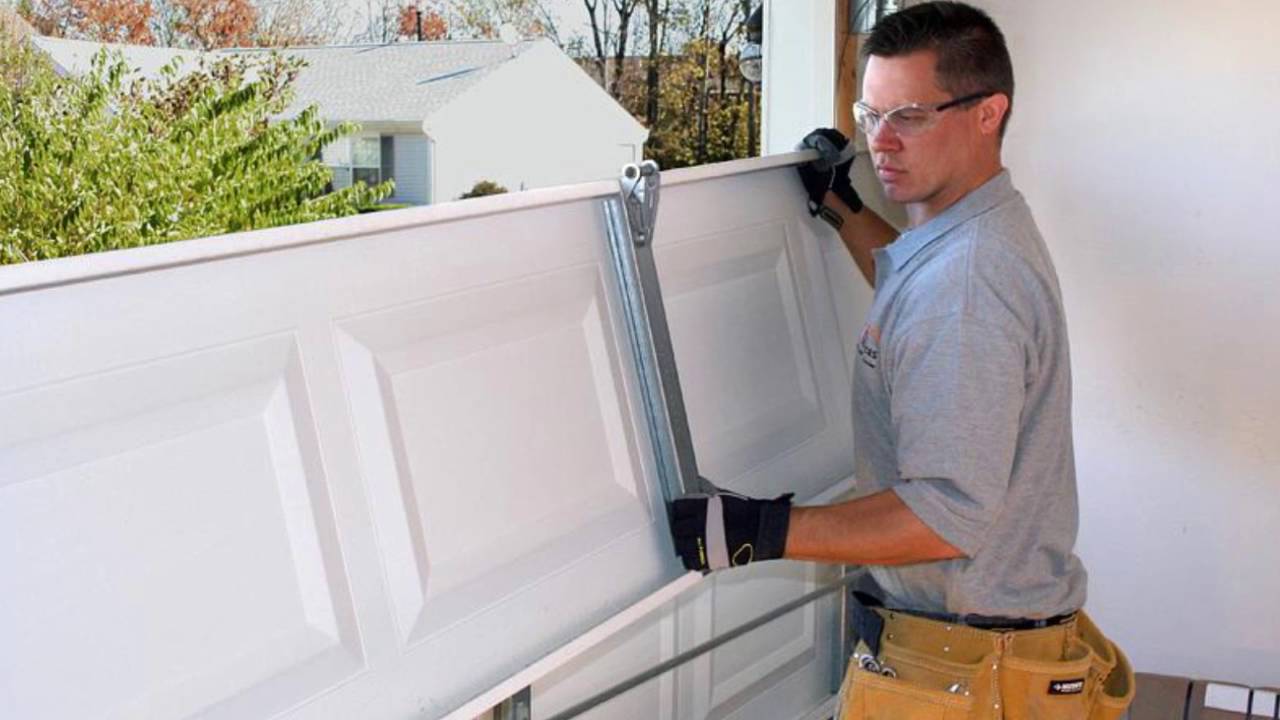
Garage door replacement is the process of removing an existing garage door system entirely and installing a new one, as opposed to repairing individual components like springs, cables, or panels on the current door. A full replacement typically includes the door itself, the track system, and often the opener, depending on the age and compatibility of the existing hardware.
This is a meaningfully bigger project than a repair. A repair addresses a specific failed part while the rest of the system stays in place. A replacement resets the entire door system, which means it’s also an opportunity to correct issues that repairs alone can’t fix, like poor insulation, an outdated opener, or a door that was never properly sized for the opening in the first place.
Repair or Replacement: How to Actually Tell the Difference
This is where most homeowners get stuck, because a garage door showing problems can look equally bad whether it needs a repair or a full replacement. The real difference usually comes down to how widespread the issues are and how much life is left in the door as a whole system.
A repair makes sense when the problem is isolated. A single broken spring, a frayed cable, or a dented panel on an otherwise functional door are all situations where fixing the specific issue is the practical choice. Replacement becomes the better call when problems are recurring across multiple components, when the door has reached the end of its expected service life, when structural damage affects more than one panel, or when the cost of repeated repairs starts approaching what a new door would cost.
I’ve been called out to plenty of homes where the homeowner was expecting another spring repair, and once we looked at the whole system, it was clear the track was warped, the panels were showing rust throughout, and the opener was outdated and no longer supported. In that situation, another repair would have addressed the one visible symptom while leaving the rest of the aging system to keep failing.
Garage Door Replacement Myths vs. Reality
Because garage door replacement is a significant investment, a lot of assumptions circulate that don’t hold up once you understand how the process and the equipment actually work.
| Myth | Reality |
|---|---|
| “If the door still opens and closes, it doesn’t need replacing.” | A door can technically still function while being unsafe, poorly insulated, or structurally compromised. Working and being in good condition aren’t the same thing. |
| “Any new garage door will fit any existing opening and track system.” | Door sizing, track configuration, and opener compatibility all need to be assessed and matched correctly, especially in older homes with nonstandard openings. |
| “Replacement is always more expensive than repeated repairs.” | Frequent repairs on an aging door often add up to more than a single replacement over a few years, especially once multiple components start failing. |
| “The opener doesn’t need to be replaced along with the door.” | Heavier or differently balanced doors can exceed an older opener’s capacity, and mismatched systems often lead to premature opener failure. |
| “Installation is quick and doesn’t require much preparation.” | Proper installation includes track alignment, spring tensioning, and safety sensor calibration, all of which take time to get right and directly affect long-term performance. |
| “All garage doors offer similar insulation and durability.” | Material, construction, and insulation ratings vary significantly between door types, which affects everything from energy efficiency to how the door holds up to daily use. |
What the Replacement Process Actually Involves
A full garage door replacement moves through a sequence of steps, and understanding each one sets realistic expectations for the project.
Assessment — Before any door is selected, the existing opening, track system, and opener get evaluated to determine what’s compatible and what needs to be replaced alongside the door itself.
Door selection — Material, insulation level, and style need to match the home’s needs, whether that’s energy efficiency, durability, or matching the home’s overall appearance.
Removal of the old door — The existing door, and often the old track system, gets fully removed before installation of the new system begins.
Track and hardware installation — Proper track alignment is critical to how smoothly and safely the new door operates, and this step directly affects the door’s long-term performance.
Spring and cable installation — These components are calibrated specifically to the weight and balance of the new door, which is why they can’t simply be reused from the old system in most cases.
Opener installation or integration — Depending on the age and capacity of the existing opener, it may be reused, upgraded, or replaced to properly match the new door.
Final testing and safety calibration — Auto-reverse sensors, balance, and smooth operation all get tested before the installation is considered complete.
Signs You’re Likely Looking at Replacement, Not Repair
While every situation is different, a few consistent signs tend to point toward replacement rather than another round of repairs:
Recurring failures across different components — If it’s not the same part failing repeatedly but different parts failing over time, that usually points to a system reaching the end of its service life rather than an isolated issue.
Visible structural damage across multiple panels — Damage isolated to one panel might be repairable. Damage spread across the door often means replacement is more practical than patchwork fixes.
A door significantly past its expected lifespan — Garage doors have a general expected service life, and one approaching or past that point is a strong candidate for replacement even without dramatic visible failure yet.
Rising energy costs tied to poor insulation — Older, uninsulated doors can be a meaningful source of energy loss, especially for attached garages.
An opener that’s no longer supported or difficult to find parts for — This often signals it’s time to address the whole system rather than keep patching an aging setup.
Questions Worth Asking Before Committing to Replacement
Given the scope of a full replacement, a few direct questions upfront tend to prevent most of the issues that show up later:
- Has the full system, including the track and opener, been assessed, or is the quote based only on the door itself?
- What door material and insulation level makes sense for this specific home and garage setup?
- Does the existing opener need to be replaced to match the new door’s weight and balance?
- What does the installation process include in terms of safety calibration and testing?
A technician who answers these with specifics tied to your actual door and opening, rather than a generic recommendation, is usually the one who’s thought through the project rather than just quoting a number.
Frequently Asked Questions
How do I know if my garage door needs a repair or a full replacement? This depends on whether the issue is isolated to one component or spread across multiple parts of the system, and how close the door is to the end of its expected lifespan. An in-person assessment is the most reliable way to know for certain.
Does the garage door opener need to be replaced along with the door? Not always, but it depends on whether the existing opener is compatible with the new door’s weight and balance requirements. This gets assessed as part of the replacement process.
How long does a garage door replacement typically take? Most residential replacements can be completed in a single day, though this depends on the scope of work, including whether the track system or opener also needs to be replaced.
Can I replace just the door panels without replacing the whole system? In some cases, yes, if the track and hardware are still in good condition and compatible with new panels. A full assessment determines whether this is a viable option.
What affects how long a new garage door will last? Material quality, proper installation, correct spring and cable calibration, and regular maintenance all play a role in how long a new door performs as expected.
Making the Right Call for Your Garage Door
Garage door replacement is a meaningful investment, and the homeowners who get the most value out of it are the ones who made the decision based on an honest look at the whole system, not just the one visible problem that prompted the call. Repairing a door that’s actually reached the end of its life, or replacing one that only needed a targeted fix, both end up costing more than making the right call the first time.
If you’re trying to figure out whether your garage door needs a repair or a full replacement, it’s worth starting with a clear assessment of the entire system rather than guessing based on the one part that’s currently giving you trouble. J’s Overhead Door LLC has guided homeowners through this exact decision, from initial assessment to final installation, based on what each door and opening actually needs.